How to Become a Celebrant in the UK (2026/27 Celebrancy Training Guide)

Have you ever imagined a career where your words bring comfort, your creativity creates unforgettable memories, and your work genuinely makes a difference to people's lives?
Becoming a professional celebrant could be one of the most rewarding career decisions you ever make.
Whether you're considering a complete career change, looking for meaningful work after retirement, or hoping to establish your own independent business, celebrancy offers an opportunity to combine compassion, creativity, communication and entrepreneurship.
But how exactly do you become a celebrant in the UK? Do you need qualifications? How much does celebrant training cost? Can you become a wedding celebrant, funeral celebrant, or both? And how do you turn your training into a successful business?
In this comprehensive 2026/27 guide to becoming a celebrant in the UK, the team at The Academy of Professional Celebrants (APC) explains everything you need to know, from choosing the right celebrant training course to conducting your first professional ceremony.
Whether you're based in England, Scotland, Wales or Northern Ireland, this guide will help you understand your options and take the first step towards an exciting new vocation.
What is a celebrant?
A celebrant is a professional who creates and conducts personalised ceremonies that mark significant moments in people's lives.
Unlike ceremonies that follow a prescribed religious or civil format, independent celebrant led ceremonies can be tailored to reflect the personalities, beliefs, values, traditions and wishes of the people involved.
Celebrants work closely with individuals, couples and families to create ceremonies that are personal, meaningful and memorable.
These can include weddings, funerals, celebrations of life, vow renewals, naming ceremonies, memorial services, commitment ceremonies and other important milestones.
The role involves far more than standing in front of an audience and delivering a speech. Professional celebrants are skilled listeners, storytellers, writers, organisers and public speakers.
They help people express emotions, celebrate relationships, honour loved ones and create memories that will last a lifetime.
What does a celebrant actually do?
A typical celebrant's responsibilities include:
Meeting clients and understanding their wishes, personalities and circumstances.
Creating bespoke ceremony scripts, tributes, vows and readings.
Advising on music, symbolism, rituals and ceremony structure.
Liaising with venues, funeral directors, wedding planners and other professionals.
Delivering ceremonies with confidence, warmth and professionalim.
Managing enquiries, bookings, contracts, administration and their own celebrancy business.
Above all, a successful celebrant makes people feel heard, respected and supported.
What types of celebrants are there in the UK?
There are several different specialisms within modern celebrancy. Understanding the differences will help you decide which training route best suits your interests, personality and career ambitions.
1. Funeral celebrantsFuneral celebrants create and conduct personalised funeral services, memorial ceremonies and celebrations of life. They work closely with bereaved families, funeral directors and venues to honour the life, personality and legacy of someone who has died.
This specialism requires empathy, emotional resilience, sensitive communication and exceptional attention to detail.
Explore APC funeral celebrant training
2. Wedding celebrantsWedding celebrants design and conduct personalised wedding ceremonies, often incorporating love stories, individual vows, symbolic rituals, family participation and cultural traditions.
This career particularly suits creative individuals who enjoy storytelling, public speaking and working with couples to bring their vision to life.
Explore APC wedding celebrant training
3. Naming and family celebrantsNaming celebrants create ceremonies welcoming babies, children and new family members. They may also conduct adoption celebrations, family unity ceremonies and other significant milestones.
These ceremonies can be secular, spiritual, multicultural or entirely personalised.
4. Vow renewal and milestone celebrantsThese celebrants conduct ceremonies celebrating anniversaries, renewed commitments, personal achievements and important life transitions.
Many professional celebrants offer these services alongside wedding and funeral celebrancy.
How to become a celebrant in the UK: 8 essential steps
Becoming a celebrant is more accessible than many people realise. You do not necessarily need a university degree, previous ceremony experience or a background in public speaking.
However, establishing yourself as a respected professional requires training, preparation, practice and commitment.
Step 1: Decide which type of celebrant you want to become. Consider whether you are drawn towards weddings, funerals, naming ceremonies or a combination of services. Think about the people you most want to work with and the situations in which your strengths would be most valuable.
Step 2: Choose a reputable celebrant training providerLook for experienced tutors, structured practical learning, transparent course fees, meaningful assessment and ongoing support. Ask what the qualification or certificate actually represents and who recognises it.
Step 3: Complete your celebrant trainingLearn how to interview clients, write scripts, organise ceremonies, manage unexpected situations and deliver professional services. APC offers live online and classroom-based training routes.
Step 4: Practise and develop your ceremony delivery skillsRehearse scripts aloud, practise pacing and projection, work on your presence and learn how to respond sensitively to emotional situations. Constructive feedback helps build genuine confidence.
Step 5: Establish your celebrant businessDecide on your trading name, business structure, pricing, insurance, contracts and administrative systems. Consider data protection responsibilities and how you will manage enquiries and bookings.
Step 6: Build your professional online presenceCreate a website explaining your services, your background, the locations you cover and how clients can contact you. Develop a Google Business Profile where eligible, and publish helpful, original content.
Step 7: Build professional relationshipsIntroduce yourself to local funeral directors, wedding venues, event planners, photographers and other professionals relevant to your specialism. Trust and reliability are essential to long-term success.
Step 8: Conduct your first ceremony and continue developingPrepare thoroughly, communicate clearly and deliver a thoughtful ceremony. Request appropriate feedback afterwards, reflect on what you learned and continue developing your professional skills.
Do you need qualifications to become a celebrant in the UK?
One of the most frequently asked questions is whether a formal qualification is legally required to become a celebrant.
In much of the UK, there is no single statutory qualification required simply to work as an independent funeral or symbolic ceremony celebrant. However, the legal position differs when a person wants to solemnise marriages or conduct ceremonies with legal effect.
It is important to distinguish between three things:
Completing professional celebrant training.
Receiving a certificate or accreditation from a training organisation.
Being legally authorised to conduct a marriage or civil partnership ceremony.
These are not interchangeable.A training certificate can demonstrate the skills and standards you have achieved, but it does not automatically grant legal authority to solemnise a marriage.
Why professional celebrant training matters
Even where a qualification is not legally mandatory, entering the profession without suitable training can leave you unprepared for the emotional, practical and commercial responsibilities involved.
High-quality celebrant training helps you develop skills in ceremony writing, professional delivery, client consultation, safeguarding awareness, confidentiality, cultural sensitivity and business management.
It also gives you an opportunity to practise in a supportive environment before taking responsibility for real ceremonies.
At The Academy of Professional Celebrants, training focuses on helping learners develop the knowledge, practical skills and confidence needed to begin their celebrancy journey.
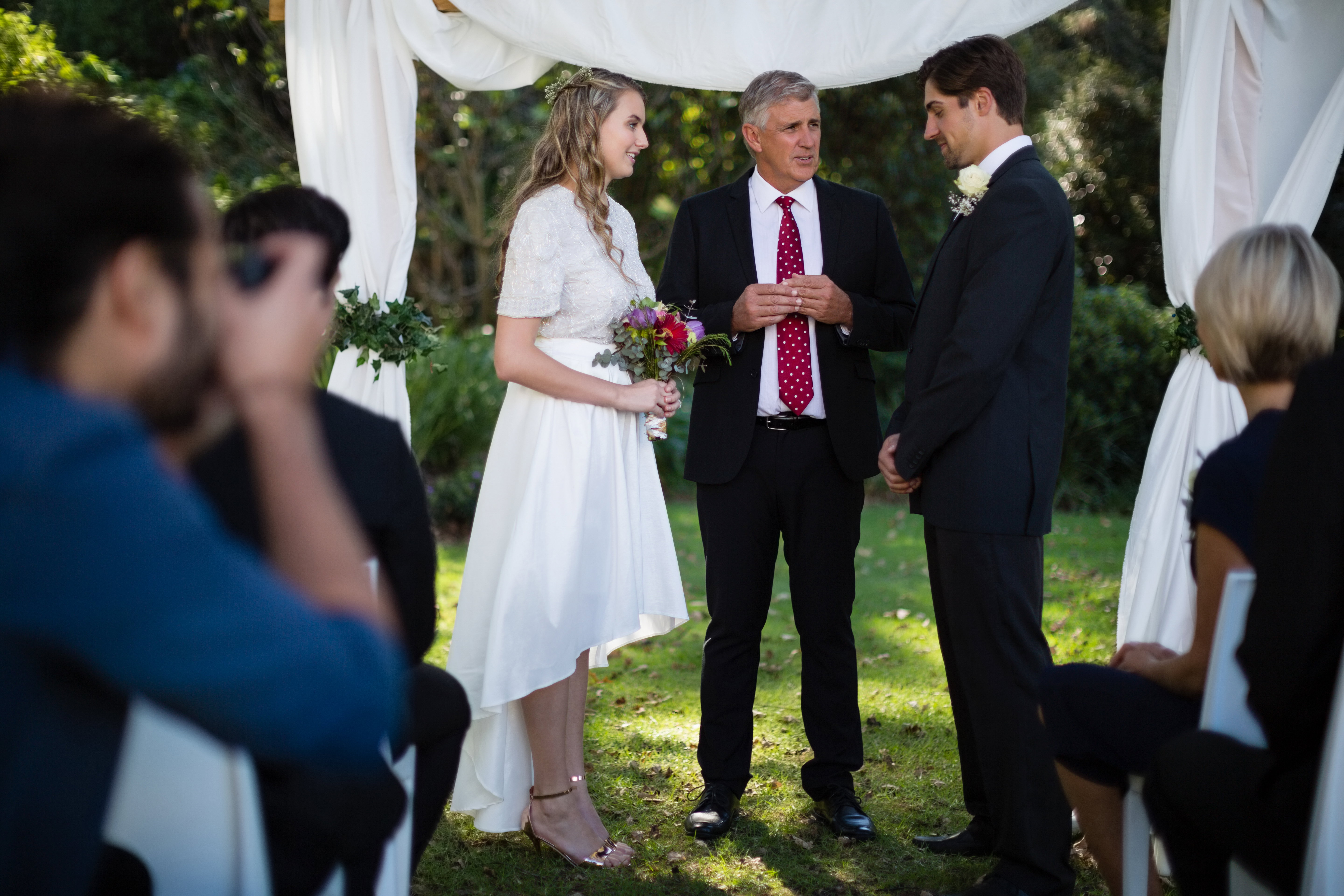
Can celebrants legally marry couples in the UK?
This is an important distinction for anyone considering wedding celebrancy training.The rules are different across the four UK nations, and legal requirements can also depend on the celebrant's status and the type of ceremony.
Wedding celebrants can nevertheless create highly personalised symbolic ceremonies, with couples completing the legal formalities separately where necessary.
Marriage law is subject to change, so anyone planning to conduct legally recognised ceremonies should consult the relevant government or registration authority before advertising such services.
How much does it cost to become a celebrant in the UK in 2026/27?
The cost of becoming a celebrant depends on the type of training you choose, the delivery format, the length of the programme and what is included.
For example, a live online course may involve fewer travel expenses than a classroom programme, while a residential course can include accommodation, meals and additional opportunities to practise alongside other learners.
Academy of Professional Celebrants course pricing
The following prices have been identified from published APC course listings. They are useful examples for prospective students, but should be reconfirmed before publication as the Academy's definitive 2026/27 fee schedule.
APC training course | Duration / format | Published course fee |
|---|---|---|
Funeral & Wedding Celebrant Training | 5-day classroom, Birmingham example | £2,195 |
Funeral & Wedding Celebrant Training | 5-day fully residential, London example | £2,995 |
Live Online Funeral Celebrant Training | Tutor-led online | Confirm current fee |
Live Online Wedding Celebrant Training | Tutor-led online | Confirm current fee |
Live Online Funeral & Wedding Training | Combined programme | Confirm current fee |
3-Day Classroom Funeral Training | In person | Confirm current fee |
3-Day Classroom Wedding Training | In person | Confirm current fee |
Self-paced Funeral Celebrant Training | Online, independent study | Confirm current fee |
Published classroom examples are from 2026 APC listings. The Birmingham fee included refreshments, lunch and APC membership; the London residential fee included accommodation, meals, refreshments and APC membership. Prices are not guaranteed for future dates.
For the most accurate information, explore the Academy of Professional Celebrants website or speak to the APC training team on 0333 455 9029.

What is included in APC celebrant training?
The Academy's published training information describes a practical approach to developing ceremony skills and helping graduates establish themselves professionally.
Depending on the programme, training and support may include:
Expert-led teaching and practical exercises.
Ceremony structure, scriptwriting and delivery techniques.
Client consultation and communication skills.
Marketing, business planning and professional development.
Assessment and constructive feedback.
APC membership benefits and professional networking.
Post-training mentoring and support.
APC's wedding training information also describes two one-hour mentoring sessions available within twelve weeks of completing training, alongside continuing telephone and email support. Confirm the precise entitlements for your chosen course before enrolling. Celebrant Training £1195.00.
What other costs should new celebrants budget for?
Training is the starting point, but launching a professional celebrancy business can involve additional expenditure.
The following table provides illustrative planning allowances rather than guaranteed supplier quotations.
Business start-up expense | Illustrative budget |
|---|---|
Professional website and domain | £100–£600 |
Professional photographs | £100–£350 |
Public liability and other appropriate insurance | £100–£300 annually |
Business cards and promotional materials | £50–£150 |
Initial marketing and networking | £100–£400 |
Software, administration and stationery | £50–£200 |
Illustrative additional start-up budget: £500–£2,000, excluding training, travel, tax and other individual expenses.
You do not necessarily need to spend heavily on every aspect of your business immediately. A professional website, clear communication, reliable administration and a strong reputation are more important than expensive branding.
Online celebrant training vs classroom training: which is better?
Live online celebrant trainingIdeal for learners who want interactive tuition without travelling to a training venue.
It can suit people balancing employment, family commitments or other responsibilities.
Classroom celebrant trainingIdeal for learners who value face-to-face teaching, immediate feedback, group exercises and the opportunity to meet other aspiring celebrants.
Consideration | Live online | Classroom |
|---|---|---|
Location | Learn from home | Attend a venue |
Interaction | Live tutor and group sessions | Face-to-face practice |
Travel expenses | Usually lower | Travel may be required |
Networking | Online cohort connections | In-person connections |
Practical feedback | Interactive online exercises | In-room exercises |
Best suited to | Learners prioritising convenience | Learners preferring physical group learning |
Both routes can provide effective preparation when the course offers structured teaching, meaningful practical work and appropriate assessment.
The right choice is the one that helps you learn confidently and develop the skills you need.
How long does it take to become a celebrant?
There is no single answer because course structures vary.Some intensive celebrant training programmes take three to five days, while other programmes use evening sessions, weekend classes or longer self-paced learning schedules.
For example, APC publishes live online funeral training dates for February, March and April 2027, including three-day daytime options and five-evening programmes. Completing the initial training is only part of the process. A realistic journey might look like this:
Stage | Illustrative timescale |
|---|---|
Research and choose training | 1–3 weeks |
Complete an intensive course | 3–5 training days |
Practise and prepare your business | 2–8 weeks |
Launch your website and marketing | 2–6 weeks |
Secure your first booking | Varies with demand and activity |
Some graduates may secure enquiries quickly; others will take several months to develop contacts and establish a regular flow of bookings.
The goal should not simply be to become a celebrant as quickly as possible. It should be to become a confident, capable and trustworthy professional.
What skills make a good celebrant?
Successful celebrants come from a wide variety of professional backgrounds.Former teachers, nurses, funeral professionals, performers, business owners, hospitality workers, emergency service personnel and people returning to work can all bring valuable transferable skills.
You do not need to be a naturally extroverted person. Some of the finest celebrants are thoughtful, reflective individuals who listen exceptionally well.
Empathy and emotional intelligence
Celebrants work with people experiencing some of life's most significant emotions, including grief, love, joy, anxiety and uncertainty.
Understanding how to respond appropriately is essential.
Excellent listening skills
A good celebrant does not simply ask questions and record answers.
They listen for the stories, emotions and details that reveal what matters most to a family or couple.
Creative writing and storytelling
Whether composing a funeral tribute or telling a couple's love story, celebrants need to transform conversations into engaging, meaningful and authentic ceremony scripts.
Confident public speaking
Professional delivery requires clarity, pacing, warmth, composure and an ability to connect with an audience.These skills can be developed through training and practice.
Organisation and reliability
Ceremonies involve deadlines, schedules, documentation, communication and coordination with other professionals. Reliability is not optional.
Business and marketing skills
Many celebrants operate independently, which means they must understand how to attract enquiries, manage bookings, set fees and maintain a sustainable business.
Can you become a celebrant at 40, 50, 60 or later?
Absolutely. There is no standard upper age limit for beginning a career as an independent celebrant.In fact, life experience can be a considerable advantage.
People who have worked in other professions, raised families, supported others through difficult circumstances or experienced significant personal changes may bring valuable maturity and understanding to the role.
Celebrancy can be particularly attractive to people who want:
A meaningful second career.
Flexible work alongside other commitments.
A professional vocation during semi-retirement.
Greater independence and control over their working life.
An opportunity to use existing communication and interpersonal skills
However, celebrancy should not be mistaken for effortless or guaranteed income. Building a business requires time, dedication and consistent professional standards.
How much do celebrants earn in the UK?
Potential earnings are one of the most common questions from people considering celebrant training.
The important distinction is between the fee charged for a ceremony and the income a celebrant actually retains.
Independent celebrants generally set their own fees, taking account of their experience, location, service, preparation time, travel and business costs.
The figures below are illustrative examples for financial planning, not verified UK-wide averages or guaranteed market rates.
Illustrative celebrant fee scenarios
| Ceremony type | Example fee range for planning |
|---|---|
| Funeral or celebration of life | £200–£350 |
| Personalised wedding ceremony | £450–£900 |
| Naming ceremony | £250–£450 |
| Vow renewal ceremony | £300–£600 |
Based on a consistent booking level across 12 months. Before business expenses, taxes, pension contributions and unpaid working time.
Recent example, Wedding bookings can be seasonal, while funeral work can fluctuate from month to month. Neither is guaranteed.
A celebrant conducting eight ceremonies in one month may have spent many additional hours meeting clients, writing scripts, travelling, networking and handling administration.
When setting fees, consider your entire workload rather than only the time spent conducting the ceremony.
How to start a successful celebrant business
Completing celebrant training is an important milestone, but creating a sustainable business requires a wider range of skills.
1. Define your services and ideal clients
Decide which ceremonies you will offer, which locations you will cover and what makes your approach distinctive.
Avoid trying to appeal to absolutely everyone.
2. Create a professional celebrant website
Your website should make it easy for prospective clients to understand who you are, what you offer and how to contact you.
Useful pages include an About page, individual service pages, a contact page, testimonials where available, and a blog containing helpful guidance.
3. Optimise your website for local Google searches
Potential clients may search for phrases such as:
Funeral celebrant in Manchester
Independent wedding celebrant in Kent
Celebrant for a celebration of life in Birmingham
Wedding celebrant in Edinburgh
Funeral celebrant near me
Create genuinely useful, location relevant content, rather than duplicating the same text across dozens of town pages.
4. Build relationships with local professionals
Funeral celebrants can introduce themselves to funeral directors, crematoria and appropriate local organisations.Wedding celebrants can connect with venues, photographers, planners and other wedding supplies.
Professional relationships should be built through reliability, clear communication and respect, not unrealistic promises.
5. Establish clear professional procedures
Use written booking terms, appropriate insurance, transparent pricing, secure record keeping and a reliable process for handling cancellations and changes.
Be especially careful when processing sensitive information shared by grieving families or couples.
6. Continue your professional development
Seek feedback, improve your writing and delivery skills, learn about different ceremony traditions and keep up with developments affecting your services.
A strong professional reputation is built through consistent quality over time.
Why choose The Academy of Professional Celebrants?
Choosing your training provider is one of the most important decisions you will make when entering celebrancy.
At The Academy of Professional Celebrants, our aim is to help aspiring celebrants develop the practical skills, professional confidence and business knowledge needed to create meaningful ceremonies.
APC's published training information highlights more than 19 years of experience, training opportunities across the UK, live online and in-person programmes, and an established professional celebrant community. LIVE Online & In-Person
What makes APC training different?
Practical, interactive learning Celebrancy is a practical profession. Our approach emphasises developing the skills needed to create, write and deliver ceremonies rather than relying solely on theoretical study.
Experienced celebrancy trainers Learn from tutors who understand the responsibilities of professional celebrancy and the realities of working with couples, families and other ceremony professionals.
Flexible learning options Choose from live online training, classroom courses, combined wedding and funeral programmes, and selected residential learning opportunities.
Our classroom training information describes a structured assessment framework designed to evaluate relevant celebrancy competencies.
The learning journey does not have to end when your course finishes. APC provides post-training support and professional development opportunities, with specific benefits dependent on your programme and membership.
Joining an established celebrant network can provide opportunities to share experiences, develop relationships and continue learning throughout your career.
Ready to explore your celebrant training options?
Whether you want to become a funeral celebrant, wedding celebrant or both, our team can help you understand the available courses and identify a suitable starting point.
Visit www.apcuk.org, explore our training programmes or contact the Academy to discuss your next steps.