How to Become a Celebrant in Wales: Your Complete Guide to Training, Costs and Starting a Rewarding New Career
Have you ever imagined a career where your words make a difference, your creativity helps people celebrate life's most important moments, and your work allows you to build a business around something genuinely meaningful?
Becoming a celebrant in Wales could be the opportunity you've been looking for.
From beautiful wedding ceremonies overlooking the Welsh coastline to heartfelt funeral services that celebrate a life well lived, professional celebrants help people mark some of the most significant moments they will ever experience. They bring together stories, memories, traditions, music, readings and personal touches to create ceremonies that feel authentic, individual and unforgettable.
Perhaps you have spent years working in another profession and are ready for a change. Maybe you have experience in customer service, hospitality, events, education, care or the funeral industry. Or perhaps friends and family have always told you that you have a natural gift for speaking, listening and bringing people together.
Whatever your background, professional celebrancy could offer a new direction.
The good news is that you do not necessarily need previous celebrancy experience to begin your journey. With the right training, a willingness to learn and a commitment to providing an excellent service, you can develop the skills needed to work towards becoming a professional celebrant.
At The Academy of Professional Celebrants (APC), we provide specialist training designed to help aspiring celebrants develop their skills, understand the profession and take their first steps towards establishing a celebrancy business.
Our courses are available through a variety of live online, classroom and combined training options, making it possible to train for a new career even if you live in Wales and cannot easily travel to a training venue every week.
Visit www.apcuk.org to explore your options.In this comprehensive guide, we explain how to become a celebrant in Wales, the different types of celebrancy you can pursue, what training involves, how much it costs, how to start finding clients and what you should consider before taking the next step.

What is a celebrant?
A celebrant is a trained professional who creates and conducts personalised ceremonies to recognise important events and transitions in people's lives.
Unlike a one-size-fits-all approach, celebrancy focuses on the individual, the family, the couple or the community involved.
Every person has a story. Every family has its own traditions. Every couple has a unique relationship. A celebrant's role is to listen carefully, understand what matters most and transform those details into a meaningful ceremony.
Depending on their training and specialisms, celebrants may conduct:
Wedding and commitment ceremonies.
Funeral and celebration-of-life ceremonies.
Naming ceremonies for babies and children.
Vow renewals and anniversary ceremonies.
Other personal milestones and bespoke ceremonies.
Some celebrants choose to specialise in one area, while others develop expertise in several.
For example, you might decide to become a funeral celebrant because you want to help families honour loved ones. Alternatively, you may be drawn towards wedding celebrancy because you enjoy creativity, storytelling and celebrating relationships.
You could also train in both wedding and funeral celebrancy, allowing you to develop a broader range of professional services.The right direction depends on your interests, personality, availability and long-term ambitions.
Why become a celebrant in Wales?
Wales offers a wonderful setting for personalised ceremonies.
From the dramatic landscapes of Eryri and the Brecon Beacons to the beaches of Pembrokeshire, the historic buildings of Cardiff and the rural communities of Carmarthenshire, Wales has an extraordinary variety of locations, communities and traditions.
For wedding celebrants, this diversity can inspire ceremonies that reflect a couple's personalities, heritage and relationship with a particular place.
For funeral celebrants, the opportunity lies in helping families tell meaningful stories about the people they have lost, drawing on their memories, interests, relationships and values.
The profession can appeal to people seeking a more personal approach to work, a flexible schedule or the opportunity to establish their own business.
A career built around people
Celebrancy is fundamentally about people.You may work with a couple planning their wedding, a family preparing to say goodbye to someone they love, or parents wanting to celebrate the arrival of a child.
Each situation requires a different approach, but the common thread is the ability to listen, communicate sensitively and create a ceremony that feels right for those involved.
An opportunity to use your existing skills
You may already have many of the qualities that can help you become a successful celebrant.Experience in teaching can help you communicate confidently. Customer-facing work can develop your interpersonal skills. Event management can help you organise complex occasions. Writing experience can support your ceremony scripts.
People from the funeral profession, hospitality, healthcare, administration, retail, the arts and many other backgrounds may find that their existing skills provide a useful foundation.You do not need to have worked in the events industry to explore celebrancy training.
The possibility of running your own business
Many independent celebrants work on a self-employed basis, developing their own brand, setting their availability and building relationships with clients and industry professionals.
This can offer flexibility, although it also brings responsibilities.
You may need to manage enquiries, conduct consultations, write scripts, travel to ceremonies, maintain a website, market your services and handle your business finances.
It is important to understand that celebrancy is not simply about delivering a ceremony on the day. The preparation, communication and professional care behind each ceremony are equally important.
What types of celebrant can you become?
Before choosing a training course, consider which type of celebrancy appeals to you most.
1. Wedding celebrant
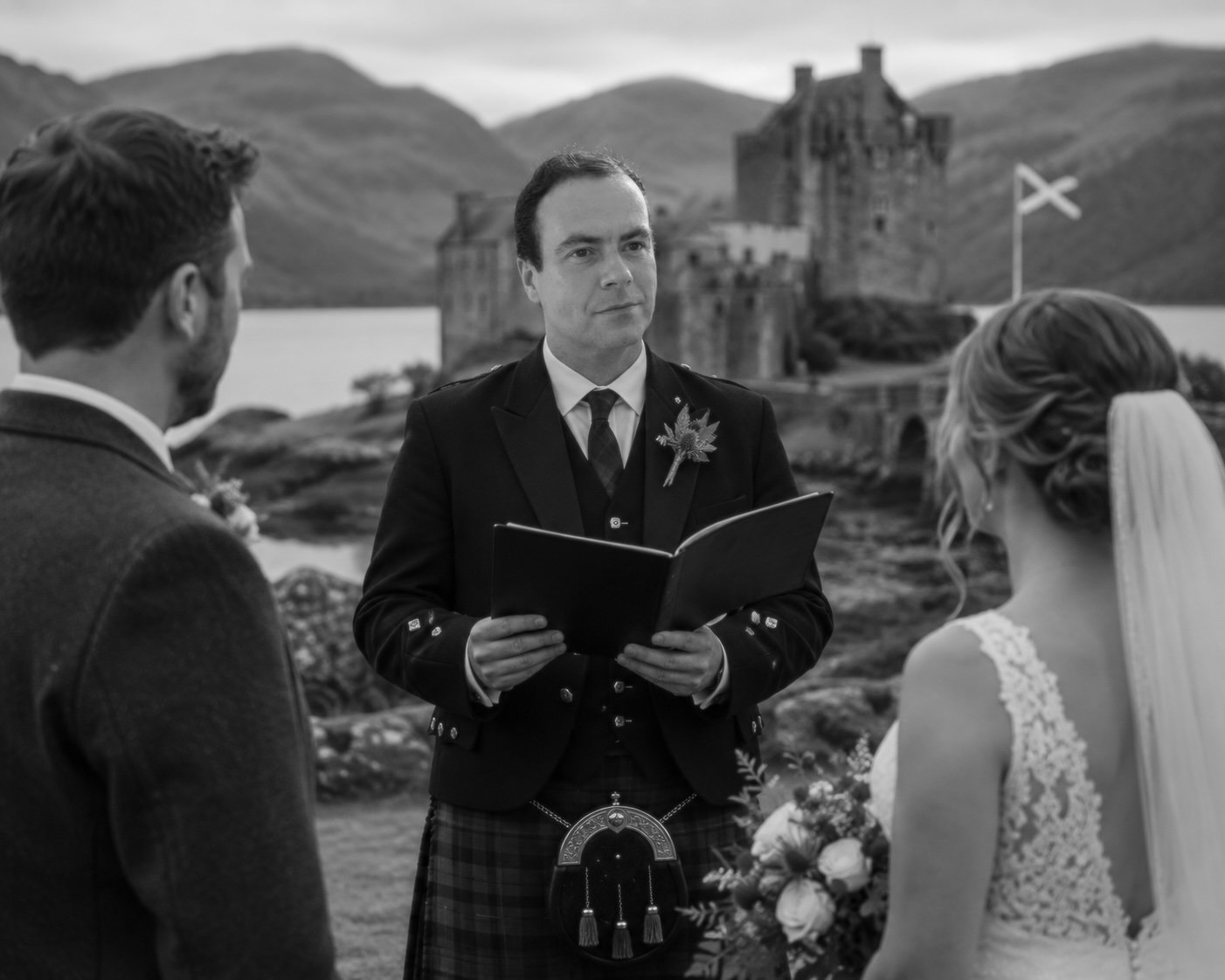
A wedding celebrant works with couples to design and deliver a ceremony that reflects their relationship, personalities, beliefs and hopes for the future.
Rather than following a rigid template, the celebrant helps the couple decide how their ceremony should feel and what it should include.
A personalised wedding ceremony might feature:
- The couple's love story and how they met.
- Personal vows written by the couple.
- Readings, poems and meaningful music.
- Cultural traditions or symbolic rituals.
- Contributions from friends and family.
- Stories, humour and special memories.
- A distinctive theme reflecting the couple's interests.
Imagine conducting a wedding on a beach in North Wales, in a family garden in Monmouthshire or at a country venue in the Vale of Glamorgan. The location may provide the backdrop, but the ceremony itself is shaped around the couple.
A wedding celebrant needs creativity, excellent communication skills, confidence speaking in front of an audience and the ability to manage the practical details of a ceremony.It is also essential to understand the legal distinction between a celebrant-led wedding ceremony and a legally recognised marriage.
Important legal information: Under the current marriage framework in England and Wales, an independent celebrant's ceremony is not automatically a legally binding marriage. Couples generally need to complete the legal marriage process separately, such as through a register office or another legally recognised route. A celebrant qualification alone does not confer legal authority to solemnise marriages. Always check current official guidance and explain the distinction clearly to couples.
Read the official guidance: GOV.UK — Plan your marriage or civil partnership ceremony.
2. Funeral celebrant
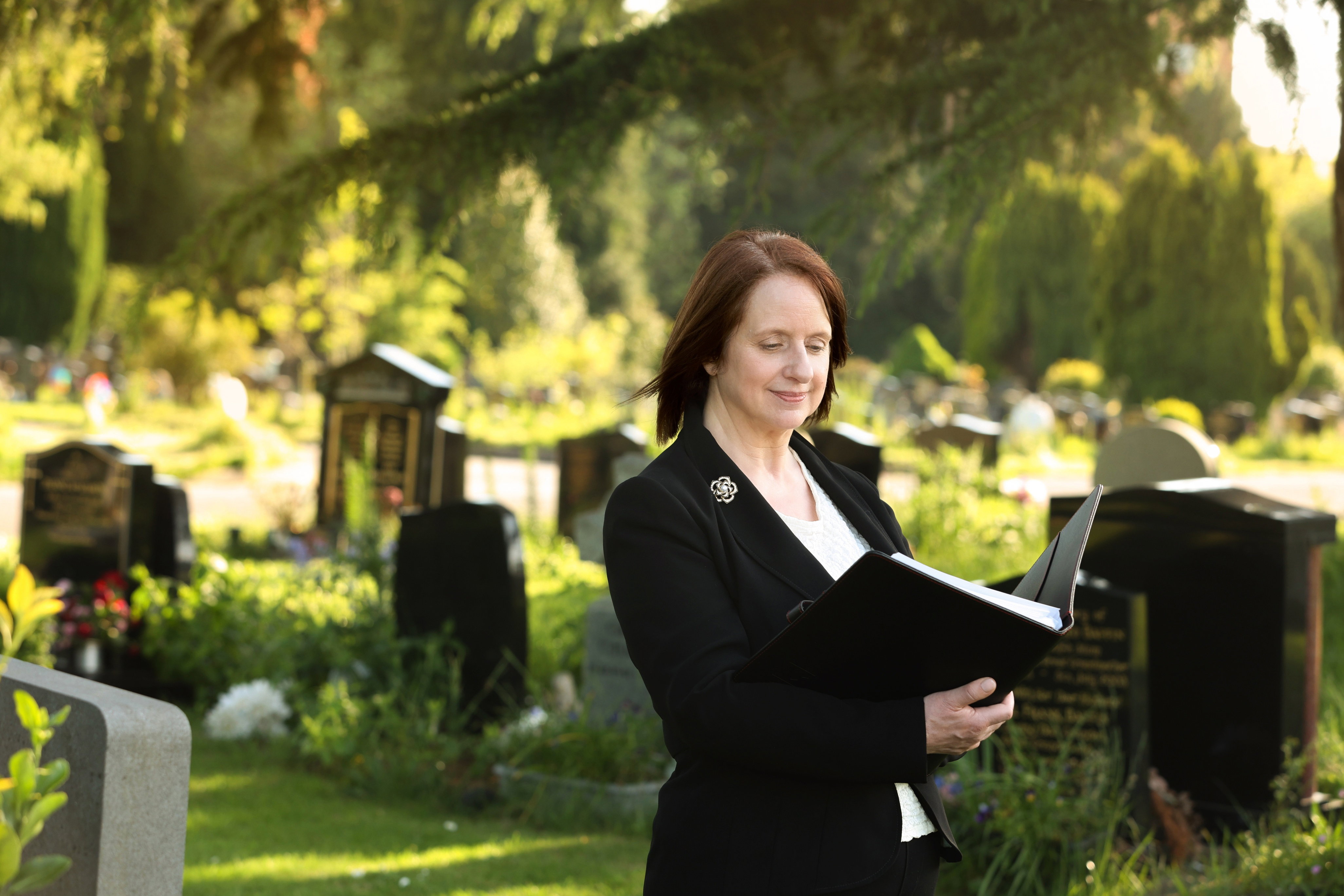
A funeral celebrant supports bereaved families by creating and conducting a funeral ceremony that reflects the life of the person who has died.
This role calls for compassion, sensitivity, professionalism and the ability to listen without judgement.
The celebrant will usually gather information from family members, learn about the person's life, write a personalised tribute and coordinate the ceremony's content with the relevant funeral professionals.A funeral ceremony might include:
A personal tribute describing the person's life.
Memories of family, friendships and achievements.
Favourite music and meaningful readings.
Contributions from relatives or friends.
Moments for reflection.
Religious, spiritual or non-religious elements appropriate to the family's wishes.
A thoughtful closing that helps bring the ceremony to a meaningful conclusion.
No two funerals are the same. One family may want a traditional and reflective service, while another may prefer a joyful celebration filled with stories, humour and music.
A professional funeral celebrant must respect the family's wishes while maintaining the dignity of the occasion.The work can be deeply rewarding, but it also involves emotional responsibility. You must be comfortable working with people experiencing grief, sometimes under significant time pressure.
Training can help you develop the skills needed to approach these situations with care and confidence.
3. Wedding and funeral celebrant
If both areas appeal to you, you may wish to train in wedding and funeral celebrancy.
Dual training can broaden your professional knowledge and allow you to offer different types of ceremonies as your business develops.
It is worth remembering that wedding and funeral celebrancy involve different client needs, writing styles, working relationships and practical considerations. Learning both disciplines requires a willingness to adapt your approach.
For people who want to build a varied celebrancy business, a combined course may be worth considering.
4. Naming ceremonies and other life celebrations
Naming ceremonies, vow renewals and other personal celebrations can provide additional opportunities for celebrants who wish to broaden their services.
A naming ceremony, for example, can give parents and families the opportunity to welcome a child, acknowledge important relationships and express their hopes for the future.
A vow renewal can allow a couple to celebrate years of marriage, recognise a milestone anniversary or reaffirm their commitment after a significant life event.
If you are interested in these ceremonies, ask your training provider which types of ceremonies are covered by the course and what additional learning may be appropriate.
How to become a celebrant in Wales: a step-by-step guide
Starting a new career can feel daunting, particularly when you are unfamiliar with the industry. Breaking the process into manageable steps can make it easier to plan your journey.
Step 1: Decide which type of celebrancy interests you
Start by thinking about the work you would most enjoy doing.Ask yourself:
Am I more interested in weddings, funerals or both?
Do I enjoy creative writing and storytelling?
Am I comfortable speaking in front of groups?
Can I listen sensitively when people share personal experiences?
Am I prepared to work some weekends or respond to enquiries at short notice?
Would I like to establish a business of my own?
You do not need to have every answer immediately. However, understanding your interests will help you choose the most suitable training route.
Step 2: Research professional celebrant training
Although there is no single universal route into every form of independent celebrancy, appropriate training is an important step towards developing professional skills.
Look for a course that addresses the practical realities of the role rather than focusing solely on ceremony writing or public speaking.
Useful areas of training include:
Understanding the celebrant's role and professional responsibilities.
Interviewing clients and gathering personal information.
Writing and structuring bespoke ceremonies.
Developing confidence in presentation and delivery.
Understanding ceremony etiquette and professional conduct.
Working sensitively with bereaved families or wedding couples.
Managing client expectations.
Understanding the practicalities of self-employment and business development.
Ask providers about course content, the format of the training, assessment requirements, certification, ongoing support and the costs involved.
Step 3: Choose a training option that suits your circumstances
Your location in Wales does not have to prevent you from pursuing professional celebrancy training.
Live online courses can be particularly convenient if you live in a rural area, have family commitments or prefer not to travel long distances.
Classroom training may suit people who enjoy face-to-face learning, group discussions and practising their skills with other delegates.
Combined courses may appeal if you want to study both weddings and funerals within one programme.
A residential option may be useful if you prefer a more immersive learning experience.
The Academy of Professional Celebrants offers a range of these formats. You can explore the current options at www.apcuk.org.
Step 4: Complete your training and develop your skills
Training is an opportunity to learn the foundations of professional celebrancy and practise the techniques you will use when working with clients.
You will need to develop more than the ability to speak confidently. A good celebrant must be able to structure a ceremony, write appropriate material, respond to changing circumstances and communicate professionally with clients and other suppliers.
Make the most of opportunities to ask questions, practise delivery and learn from experienced tutors.
If you are training in funeral celebrancy, pay particular attention to the emotional and professional responsibilities involved in supporting bereaved families.
If you are training in wedding celebrancy, focus on creating a ceremony that feels personal without losing its structure, flow or sense of occasion.
Step 5: Understand professional membership and ongoing support
Once you have completed your course, consider what support will help you establish yourself in the profession.
Depending on the provider and your chosen route, this may include access to professional development, networking opportunities, business guidance or membership options.
Check exactly what is included in your training fee and what is optional or charged separately.
The Academy of Professional Celebrants provides information about its membership and professional development opportunities on its website.
Explore APC membership information and ask the team which benefits apply to your chosen course.
Step 6: Set up your celebrancy business
If you intend to work independently, you will need to think about the business side of your new career.
This may include choosing a business name, registering with the relevant authorities, arranging appropriate insurance, preparing contracts and developing a professional online presence.
You should also consider how you will manage enquiries, payments, appointments, travel, record-keeping and client information.
Seek appropriate professional advice about tax, data protection, insurance and your legal responsibilities as a self-employed person.
Step 7: Start building relationships and finding clients
Developing a professional network is an important part of becoming established.
Depending on your specialism, relevant contacts may include funeral directors, wedding venues, photographers, florists, event planners and other local suppliers.
A professional website, accurate business listings, helpful blog content and genuine client reviews can also help people discover your services.
Building a reputation takes time. Focus on providing a thoughtful, reliable service and developing relationships that can support your business over the long term.
What qualifications do you need to become a celebrant in Wales?
One of the most common questions from prospective celebrants is whether they need a particular degree or formal qualification before they can begin.
For independent celebrancy, there is no single university degree that everyone must hold to perform every type of celebrant-led ceremony.
However, that does not mean training is unnecessary.A professional course can help you develop the writing, presentation, listening, organisational and interpersonal skills required to deliver ceremonies responsibly.
When comparing training providers, investigate what their certificates represent, whether any external accreditation applies, how competence is assessed and what continuing support is available.
Be particularly careful not to confuse a celebrant training certificate with legal authorisation to conduct a legally binding marriage.
Can you become a celebrant without experience?
Yes, you can investigate training without having previously worked as a celebrant.
You may bring valuable transferable skills from another career, but you will still need to learn the specific requirements of the profession.
You should also be realistic about the time needed to develop your confidence, build professional relationships and attract your first clients.
Completing training is an important milestone, not a guarantee of employment, bookings or income.
Understanding wedding celebrancy law in Wales
If you want to become a wedding celebrant, it is essential to understand how celebrant-led ceremonies relate to the legal process of getting married.
Under the current framework, an independent celebrant's personalised ceremony does not, by itself, make a couple legally married.
Couples may choose to complete the legal formalities separately through an appropriate legally recognised ceremony and then hold a celebrant-led ceremony that reflects their individual wishes.
This arrangement can offer considerable creative freedom, but couples need clear information about the distinction between the two events.
Wedding celebrants should explain their role honestly, avoid promising legal recognition they cannot provide and direct couples to official guidance when necessary.
Marriage law reform is also an evolving policy area. In 2026, the UK Government published proposals for consultation concerning reform of weddings law in England and Wales. Proposals and consultations should not be mistaken for legislation already in force.
Before advising clients, check the latest official information at GOV.UK.
How much does celebrant training cost?
The cost of becoming a celebrant depends on the training provider, the type of course, its duration, the delivery format and any additional services included.
When comparing options, look beyond the headline price. Consider the training itself, opportunities to practise, certification, ongoing support, membership fees and any travel or accommodation expenses.
The Academy of Professional Celebrants offers several training routes, including live online and classroom options for individual specialisms and combined wedding and funeral training.
The best option for you will depend on whether you want to specialise, study more than one discipline or learn in person.

The Academy of Professional Celebrants: course options
The following training routes are listed on the Academy's course website. Course availability, dates and fees should be confirmed directly with APC before booking.
1. Live online funeral celebrant training Designed for people who want to train in funeral celebrancy without attending a classroom in person.
This option may suit learners in North, South, Mid or West Wales who prefer live online tuition and want to reduce travel time and costs.
2. Live online wedding celebrant training A training route for aspiring wedding celebrants who want to develop their knowledge and skills through online instruction.
This may suit people interested in creating personalised wedding ceremonies while continuing to manage existing work or family commitments.
3. Three-day classroom funeral celebrant training An in-person course focused on funeral celebrancy. Classroom learning can provide opportunities to interact directly with tutors and fellow delegates.
4. Three-day classroom wedding celebrant training An in-person route for people wishing to concentrate on wedding celebrancy and develop their ceremony-writing and delivery skills.
5. Five-day live online wedding and funeral celebrant training A combined training option for people who want to explore both disciplines within a live online programme.
6. Five-day classroom wedding and funeral celebrant training A combined, face-to-face training route for aspiring celebrants who prefer learning in a classroom environment.
7. Five-day fully residential celebrant training An immersive training option for people interested in a residential learning experience. Confirm the precise arrangements, accommodation inclusions and associated costs before booking.
You can find the course descriptions and current availability through The Academy of Professional Celebrants.
Course costs and fees: what should you budget for?
To make a sound decision, ask APC for the current price of each course that interests you and confirm whether the quoted amount includes all mandatory costs.
| Cost to check | Why it matters |
|---|---|
| Course tuition | Your main training expense |
| Course materials and assessment | Confirm whether these are included |
| Certificate or certification fees | Check for any additional charges |
| APC membership | Establish whether it is included, optional or recurring |
| Travel and accommodation | Particularly relevant to classroom courses |
| Insurance | An important consideration when working professionally |
| Website and marketing | Potential costs when developing your business |
| Business administration | Budget for software, record-keeping and other essentials |
Please note: The current monetary prices for APC's individual course options were not verifiable from the published information available during the preparation of this guide. We have therefore not inserted estimated or invented prices. Contact APC for an up-to-date breakdown of all course fees, payment arrangements and any optional extras.
This is particularly important if you are comparing a single-specialism course with a combined programme. The cheapest initial fee may not represent the best overall value for your individual goals.
Which APC celebrant course is right for you?
Your choice should reflect the kind of celebrant you want to become.
If you are passionate about helping bereaved families, begin by exploring the funeral training options.If you are drawn to weddings, personal storytelling and the creative design of ceremonies, investigate the wedding training courses.
If you want to develop skills in both disciplines, compare the combined five-day options with the cost of booking individual courses.
Think about your preferred learning environment as well. Live online training can help you study from Wales without travelling to a classroom, while face-to-face learning may suit those who benefit from direct interaction.Before making a decision, ask APC:
What is the full current fee for my chosen course?
What does the fee include?
What certification will I receive?
What are the assessment requirements?
What support is available after training?
Is membership included or optional?
Are payment plans available?
What additional costs should I budget for?
The answers will help you compare courses fairly and make a decision based on your circumstances.

How long does it take to become a celebrant?
The initial training period depends on the course you choose.
APC lists three-day specialist classroom courses and five-day combined training options, alongside live online programmes delivered through different schedules.
However, completing a course is only one part of the journey.
You will also need time to practise your skills, prepare your business, establish professional relationships and develop your reputation.
Some people may be ready to begin offering services relatively soon after training, while others prefer to spend longer developing their confidence and business foundations.
There is no universal timetable for building a successful celebrancy business.
The key is to approach the process methodically and ensure you feel prepared to work professionally before accepting bookings independently.
What skills make a good celebrant?
You do not need to be an extrovert to become a celebrant. Different personalities can succeed in the profession, provided they develop the skills required for their chosen specialism.
Listening and empathy
People often share personal stories, emotions and memories with their celebrant. Listening carefully helps you understand what they want the ceremony to communicate.
Writing and storytelling
A celebrant must turn information gathered during consultations into a coherent, engaging ceremony. The writing should reflect the people involved rather than sound generic or impersonal.
Public speaking
You need to deliver ceremonies clearly and confidently, adapting your pace, tone and presentation to the setting.Confidence can be developed through preparation and practice.
Organisation
Ceremonies involve deadlines, appointments, scripts, timings and communication with other people. Good organisation helps you manage these responsibilities reliably.
Sensitivity and professionalism
You must respect different beliefs, cultures, family circumstances and personal preferences. In funeral celebrancy, this also means approaching grief with compassion and appropriate professional boundaries.
Adaptability
Ceremonies do not always go exactly to plan. A celebrant may need to respond calmly to a change of schedule, a technical problem or a last-minute request.
These qualities can be learned and strengthened. Training provides an opportunity to begin developing them before working with clients.
How to start a celebrant business in Wales
Once you have completed suitable training, you can begin planning how to introduce your services to potential clients.
Choose your business identity
Decide whether you want to trade under your own name or create a distinctive business name.
Your branding should communicate the type of celebrancy you offer and the professional values you want clients to associate with your services.
Create a professional website
Your website is an opportunity to explain who you are, what you offer and how people can contact you.Useful pages may include:
Home.
About your celebrant.
Wedding or funeral services.
Your approach to personalised ceremonies.
Frequently asked questions.
Testimonials, where permission has been obtained.
Contact information and an enquiry form.
Your service area and travel arrangements.
For Welsh clients, consider whether you can serve people in both English and Welsh. If you offer bilingual ceremonies, explain your actual language capabilities clearly.
Build local professional relationships
Funeral celebrants may wish to introduce themselves to local funeral directors and relevant service providers.
Wedding celebrants can develop relationships with venues, photographers, wedding planners and other professionals working with couples.
Approach these relationships professionally and focus on building trust rather than expecting immediate referrals.
Develop your online visibility
A well-structured website and useful, original content can help potential clients discover your services through search engines.
Create pages that answer genuine questions, such as:
How to choose a wedding celebrant in Cardiff.
What does a funeral celebrant do in Swansea?
How to plan a personalised ceremony in Pembrokeshire.
What is the difference between a registrar and a wedding celebrant?
How to arrange a celebration-of-life ceremony in North Wales.
Only create location pages for areas you genuinely serve, and make each page useful and specific rather than publishing multiple near-identical pages with different town names.
Manage your business professionally
Set up a clear enquiry process, prepare written terms and conditions, maintain appropriate records and consider your insurance requirements.
Make sure your pricing is transparent and your clients understand exactly what is included in your service.
You should also establish a realistic approach to expenses, taxes, marketing and financial planning.

Can you make a living as a celebrant?
Celebrancy can become a source of income, but earnings vary considerably.
Your income will depend on factors such as your location, the services you offer, the number of bookings you receive, the fees you charge and the expenses associated with your business.
It is important to distinguish between turnover and profit. Money received from bookings is not the same as personal income after travel, insurance, marketing, administration, taxes and other costs.
You should also account for the time spent preparing each ceremony. A booking involves more than the time spent speaking on the day.
For example, a personalised ceremony may require an initial consultation, research, writing, revisions, travel and coordination with other professionals.
Before leaving existing employment, consider starting with a realistic business plan and a financial buffer.
No training provider can guarantee that you will secure a particular number of bookings or earn a specific income. Building a sustainable business requires professional standards, effective marketing, consistent service and time.
Why consider The Academy of Professional Celebrants?
Choosing a training provider is an important decision. You want a course that gives you a sound foundation and helps you understand the realities of working as a celebrant.
The Academy of Professional Celebrants provides specialist training for aspiring and experienced celebrants, with course options available across the UK and beyond.
Its published course range includes specialist funeral and wedding training, combined programmes, live online tuition, classroom learning and a residential option.
This range gives prospective students the opportunity to explore different formats according to their learning preferences and career ambitions.
APC also publishes information about post-training support, membership and professional development.
When deciding whether APC is right for you, take time to review the course information, confirm current fees and ask questions about the learning experience and support available after completing your training.
You can explore the options at www.apcuk.org.If you are based in Wales, ask the team which upcoming course dates and delivery formats are most suitable for you.
Frequently asked questions about becoming a celebrant in Wales
Do I need a degree to become a celebrant in Wales?
There is no single degree requirement that applies to every form of independent celebrancy. Specialist training can help you develop the practical and professional skills needed for the role.
Can I train to become a celebrant online from Wales?
Yes. APC lists live online training options, allowing prospective celebrants in Wales to explore training without necessarily travelling to a classroom.
Can I become a celebrant if I have a full-time job?
Potentially, yes. The suitability of a particular course will depend on its schedule and your existing commitments. Ask about daytime, evening and weekend options before booking.
Can I become both a wedding and funeral celebrant?
Yes, you can train in both disciplines. APC lists combined wedding and funeral training options, including live online and classroom formats.
How much does celebrant training cost?
Fees vary by course and delivery format. APC's current individual course prices should be confirmed directly with the academy at www.apcuk.org. Ask for a full breakdown, including any optional membership, accommodation or other additional costs.
Is an independent wedding celebrant legally authorised to marry couples in Wales?
Not automatically. A celebrant training certificate does not, by itself, authorise someone to solemnise a legally binding marriage. Couples should check the current legal requirements and make suitable arrangements for their legal marriage.
Do I need previous funeral or wedding industry experience?
Previous industry experience can be useful, but it is not a universal prerequisite for exploring celebrancy training. You will need to develop the appropriate skills, knowledge and professional standards for your chosen field.
Can I work across different parts of Wales?
You can develop a service area that suits your business, subject to your availability, travel arrangements and client needs. Be clear about the locations you serve and account for travel time and costs when setting your fees.
Does completing a celebrant course guarantee work?
No. Training helps you develop your skills, but securing bookings and building a business depend on factors including your service, reputation, marketing and local demand.
How do I choose the right celebrant course?
Compare the course content, teaching format, duration, certification, assessment, ongoing support and total cost. Choose the option that best matches the type of ceremonies you want to conduct and the way you prefer to learn.